Key Takeaways:
- Custom signage is crucial for business branding and visibility.
- Different types of signage serve various purposes and environments.
- Effective signage combines aesthetics and functionality.
- Proper installation and maintenance enhance longevity and effectiveness.
The Role of Custom Signage in Business
Custom signage plays a pivotal role in branding and visibility for businesses. It acts as a silent salesperson, capturing attention and conveying messages effectively. Quality signage, such as channel letters Philadelphia PA, can make a significant difference whether it’s a storefront, office, or trade show display. Investing in well-designed signs can lead to better customer recognition and increased foot traffic. Signage offers a visual cue that can swiftly communicate a business’s essence to passersby, forming an instant connection. By creating a solid first impression, businesses set the stage for potential interactions and customer loyalty.
Types of Signage and Their Applications
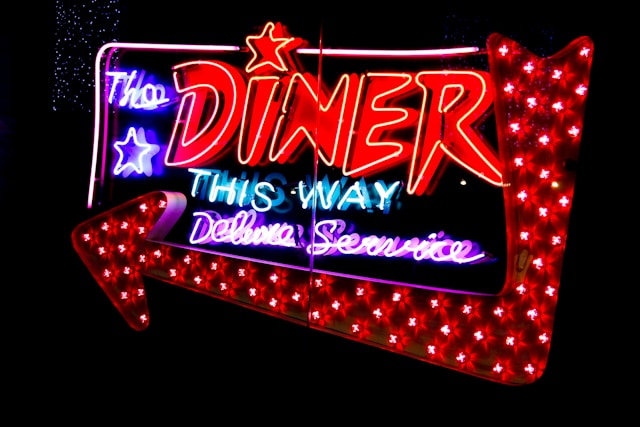
There are several types of signage, each with unique advantages and specific applications. Channel letters, for example, are ideal for storefronts due to their high visibility and illumination options, making them noticeable day and night. These signs consist of individually crafted letters that can be lit from within, creating a striking effect. Meanwhile, interior signs are perfect for navigating extensive facilities and enhancing indoor branding. They help guide customers and visitors smoothly through malls, hospitals, and corporate offices. By understanding the specific needs of your business environment, you can select the most effective type of signage to communicate your message and achieve your marketing goals.
Designing Effective Signage
Effective signage design is both an art and a science, requiring a blend of creativity and strategic planning. It involves choosing suitable materials, colors, and fonts to ensure readability and aesthetic appeal. Clear, concise messaging is crucial to avoid overwhelming viewers with too much information. Data suggests that 60% of businesses reported increased sales after upgrading their signage, highlighting the impact of thoughtful design. Incorporating branding elements such as logos and brand colors consistently helps create a solid visual identity. By employing high-contrast color schemes, businesses can enhance the visibility of their signs, ensuring they stand out in any setting.
Critical Elements of Signage Design:
- Readability: Ensure text is legible from a distance, considering font size and typeface. This is especially important for businesses in high-traffic areas where potential customers may only glance at the signage briefly.
- Contrast: High contrast between text and background enhances visibility, making it easier for viewers to scan the sign.
- Material Selection: Durable materials withstand weather conditions and wear, ensuring the longevity of the signage. This is crucial for outdoor signs of rain, sun, and wind exposure.
- Lighting: Proper illumination can make signs visible 24/7, maximizing their effectiveness. Options include LED lighting for its energy efficiency and brightness, which can be tailored to different times of day or specific events.
Installation and Maintenance
Proper installation is crucial for the effectiveness and longevity of signage. Professional installation ensures compliance with local regulations and optimal visibility. Incorrectly installed signs can lead to safety hazards and potential fines. Regular maintenance, including cleaning and repairs, keeps signs looking new and functioning correctly. This maintenance can involve routine inspections to check for any damage or wear that might compromise the sign’s effectiveness. With proper care, signs can deteriorate quickly, leading to a better impression of your business and possibly deterring potential customers. Furthermore, well-maintained signs project professionalism and attention to detail, reinforcing the business’s commitment to quality.
Integrating Digital Elements
The trend of integrating digital elements into signage is proliferating. Digital displays offer flexibility and dynamic content, allowing businesses to update their messages quickly and efficiently. These signs can display various content types, including videos, animations, and real-time updates, making them a versatile tool for customer engagement. Additionally, digital signage can be programmed to show targeted messages based on time of day or specific events, enhancing the relevance and impact of the communication.
Sustainability in Signage
Sustainable signage solutions are becoming increasingly important in today’s environmentally conscious market. Using eco-friendly materials and energy-efficient lighting options reduces the carbon footprint and appeals to environmentally conscious consumers. Many businesses now opt for LED lights in their signs due to their lower energy consumption and longer lifespan than traditional lighting. Moreover, using recyclable materials for sign construction can further minimize environmental impact. By prioritizing sustainability, businesses can convey a message of responsibility and forward-thinking to their audience, potentially attracting a loyal customer base that values environmental stewardship.
Choosing the Right Signage Partner
Selecting a reliable signage partner ensures quality and consistency. Look for a provider with a proven track record, comprehensive service offerings, and excellent customer feedback to make the most of your investment. Partnering with experts can streamline the process from design to installation, ensuring every detail is executed flawlessly. A good signage partner will also provide ongoing support and maintenance services, helping to keep your signs in optimal condition. Additionally, it’s beneficial to choose a company that stays abreast of industry trends and technological advancements, ensuring they can offer innovative solutions tailored to your business’s evolving needs.