
Improvement For All

Author: Barry Hale Page 1 of 19

How First-Time Homebuyers Can Thrive in a Competitive Market

Entering the housing market as a first-time buyer can be daunting, especially amid high prices, limited inventory, and stiff competition. However, with the right strategies, you can navigate these challenges and secure your dream home. For personalized guidance, consider consulting with an experienced professional like Oviedo FL real estate agent Ross Janke. With over two decades of experience in real estate investments, including complex transactions, Ross Janke Real Estate brings a strong work ethic and integrity to his clients. His deep understanding of the Volusia County market can provide invaluable insights to first-time buyers.

Key Takeaways

  • Financial preparedness is crucial; obtain mortgage pre-approval to demonstrate serious intent.
  • Understanding local market trends can help identify opportunities and inform your offer strategy.
  • Flexibility in terms and conditions can make your offer more appealing to sellers.

Get Pre-Approved for a Mortgage

Before you start house hunting, secure a mortgage pre-approval. This not only clarifies your budget but also signals to sellers that you’re a serious buyer. A pre-approval letter can give you a competitive edge in a crowded market.

Keep in mind that pre-approval is not the same as pre-qualification. Pre-approval is a more rigorous process involving a credit check and verification of your financial information. It means a lender has conditionally agreed to lend you a specific amount based on your current financial status. This provides both peace of mind for you and assurance for the seller. Obtaining pre-approval early can also help you identify and address potential issues with your credit or finances before you submit an offer.

Understand Your Local Market

Research the specific neighborhoods you’re interested in. Analyze recent sales data, average time on the market, and typical selling prices. This knowledge allows you to make informed decisions and craft competitive offers.

Staying on top of market trends can also give insight into whether homes in your desired area are generally selling above or below the asking price. You may notice patterns, such as seasonal shifts in inventory or price reductions for certain types of homes, that can inform when to make your move. Local real estate professionals often have access to detailed market reports that can help you pinpoint the best opportunities.

Be Flexible with Your Offer

In a seller’s market, flexibility can set you apart. Consider accommodating the seller’s preferred closing timeline or offering rent-back agreements if they need more time to move. Such gestures can make your offer more attractive, even if it’s not the highest bid.

Being adaptable with factors such as contingencies or timelines can increase your competitiveness. For example, being flexible on the move-in date or accommodating minor repair requests can give you an edge over other buyers. While you should always protect your interests, showing a willingness to work with the seller can help your offer stand out.

Strengthen Your Financial Position

While a 20% down payment is ideal, it’s not always necessary. Explore loan options with lower down payments, such as FHA loans, which require as little as 3.5% down. Additionally, work on improving your credit score to secure better mortgage rates.

Saving for closing costs and other associated expenses, like inspections and moving fees, is also essential. Boosting your credit score before applying for a mortgage can significantly lower your monthly payments in the long run. Examine your debt-to-income ratio and make an effort to reduce outstanding debts. Some local and state programs offer grants or down payment assistance to first-time homebuyers, so research any resources for which you may qualify.

Act Quickly and Decisively

Homes in competitive markets can receive multiple offers within hours of listing. Stay alert to new listings and be prepared to view properties and submit offers promptly. Working with a responsive real estate agent can facilitate swift action.

Set up automated alerts on popular home search websites and mobile apps, or ask your agent to notify you as soon as suitable properties are listed. Having all your documentation ready in advance, such as your pre-approval letter and proof of funds, allows you to submit your offer with minimal delay. In today’s fast-moving market, readiness and decisiveness can be the difference between landing your dream home and missing out.

Craft a Clean and Compelling Offer

Ensure your offer is straightforward and free of unnecessary contingencies. Include proof of funds for your down payment and a strong pre-approval letter. A well-organized offer package can instill confidence in sellers about your ability to close the deal.

If possible, limit the number of contingencies, such as for minor repairs or fixtures, unless absolutely necessary. A simple, clear offer reduces the risk of complications that could cause the sale to fall through. Personalize your offer with a brief, sincere letter to the seller expressing what you love about their home. Sometimes, an emotional connection can tip the scales in your favor.

Seek Professional Guidance

Partnering with an experienced real estate agent can provide valuable insights and negotiation skills. They can help you identify suitable properties, craft competitive offers, and navigate the complexities of the buying process.

An expert agent will also advocate for your interests during negotiations, advise you about fair market value, and identify potential red flags. Additionally, agents have access to networks and listings that may not be widely advertised, thereby expanding your pool of options. A seasoned agent can simplify paperwork and ensure critical contract deadlines are met, minimizing stress and giving you greater confidence throughout your homebuying journey.

Stay Resilient and Patient

It’s common to face setbacks in a competitive market. If your offer isn’t accepted, don’t be discouraged. Learn from each experience, adjust your strategy as needed, and remain persistent in your search.

Expect that you may need to submit offers on several homes before achieving success. Take each experience as an opportunity to refine your approach, identify where your offers may need strengthening, and remain receptive to your agent’s feedback. Homebuying can be an emotional process, but maintaining a positive, resilient attitude is vital. Remember, the right property is out there, and persistence will pay off.

Navigating the Emotional Journey of Buying Your First Home

Buying a home isn’t just a financial transaction; it is a significant life milestone full of excitement and sometimes anxiety. Managing your expectations is crucial as you embark on this journey. Start by clearly outlining your must-haves versus your nice-to-haves, and be prepared to make some compromises. Remember to carefully review all documentation, and don’t hesitate to ask your agent any questions you may have. This proactive communication can help you feel empowered throughout the process.

Surround yourself with a reliable support network of family, friends, and professionals who can offer advice or simply encourage you. Consider journaling your experiences to help process any disappointments or celebrate successes along the way. By keeping an open mind and trusting the process, you will be better equipped to handle the challenges of homeownership.

Utilize Available Resources and Tools

Leverage every available resource. Online calculators, local housing workshops, and first-time buyer classes can expand your understanding of the market and homebuying specifics. Many reputable websites offer free guides, checklists, and webinars. Check for federal, state, and local grants that may assist with down payments or closing costs. If you’re unsure where to start, your agent can help connect you to these programs and additional educational materials.

Ultimately, by implementing these strategies, first-time homebuyers can enhance their chances of success, even in challenging market conditions. Remember, preparation, flexibility, and informed decision-making are key to thriving in today’s real estate landscape.


Smart Approaches to Planning and Building a New Home


Table of Contents

  • Define Your Needs and Budget
  • Choose the Right Location
  • Select a Functional Floor Plan
  • Incorporate Energy-Efficient Designs
  • Integrate Smart Home Technology
  • Prioritize Sustainable Materials
  • Plan for Future Flexibility
  • Engage Experienced Professionals
  • Conclusion

Building a new home offers a unique opportunity to design a space that truly reflects your individual needs, style, and aspirations. Whether you are seeking efficiency, flexibility, or comfort, every decision you make plays a major role in shaping the outcome. For those exploring new homes, early preparation and research can set the stage for a smooth construction process and a satisfying long-term investment.

To ensure a successful home-building experience, it is crucial to weigh key factors such as location, layout, energy efficiency, and future adaptability. By making informed decisions at each step, homeowners are better positioned to create a home that is both timeless in its appeal and resilient in accommodating changing needs.

Alongside the core elements of construction, complementary additions such as garages play a valuable role in maximizing convenience and storage. Integrating these features during planning ensures seamless incorporation and optimal site usage.

Define Your Needs and Budget

Defining your household’s essential requirements paves the way for a functional and enjoyable living space. Begin by determining the desired number of bedrooms and bathrooms, and add-ons such as a home office, playroom, or gym. Creating a detailed list of must-haves and nice-to-haves helps you prioritize features without overextending your budget. Additionally, establishing a clear financial framework prevents costly surprises as the project unfolds. The National Association of Home Builders recommends setting aside a contingency fund to address unforeseen expenses, ensuring you stay on track financially throughout the process.

Choose the Right Location

The location of your new home is just as important as its interior layout. Proximity to workplaces, schools, healthcare, and recreational amenities can greatly influence daily life and long-term property value. Comprehensive research into local zoning laws, community development plans, and neighborhood trends helps ensure your chosen site aligns with your accessibility and investment goals. Considering factors such as commute times, access to public transit, and community atmosphere is critical to making a well-informed decision.

Select a Functional Floor Plan

Choosing a layout that reflects your lifestyle is essential for daily comfort and flexibility. Open-concept floor plans, for example, foster an inviting atmosphere and facilitate effortless movement between living, dining, and kitchen areas. Consideration should also be given to natural light flow, efficient use of space, and the potential for future expansion. Thoughtfully designed connections between indoor and outdoor spaces can further enhance your home’s day-to-day use and enjoyment.

Incorporate Energy-Efficient Designs

Energy efficiency is a cornerstone of both cost savings and sustainability. Incorporate high-performance windows, insulation, and energy-efficient HVAC systems to reduce utility bills and support environmental stewardship. Planning for smart thermostats and solar-ready wiring provides flexibility for future upgrades and aligns with eco-friendly living trends. According to the U.S. Department of Energy, integrating these features can increase home value and enhance occupant comfort.

Integrate Smart Home Technology

Smart home technologies bring comfort, security, and convenience to modern living. Automated lighting, security systems, and centralized control hubs streamline home management, while features like smart locks and surveillance cameras offer peace of mind. Integrating these solutions from the outset simplifies installation and allows for seamless updates as technology evolves. This approach not only adds value but also prepares your home for the future of connected living.

Prioritize Sustainable Materials

Opting for sustainable building materials supports both environmental and personal well-being. Materials such as reclaimed wood, recycled steel, and low-VOC (volatile organic compound) paints contribute to better indoor air quality and reduce the ecological footprint of your construction project. Incorporating locally sourced materials can also minimize transportation impacts and support community economies. Thoughtful sourcing and selection ensure beauty and durability without sacrificing sustainability.

Plan for Future Flexibility

Lifestyle needs can change over time, making it wise to design adaptable spaces. Multi-purpose rooms and unfinished areas offer flexibility for future renovations, growing families, or evolving personal interests. Consider concepts like wider doorways for accessibility or bonus rooms that can be converted as needs change. This approach future-proofs your home, allowing it to adapt to life’s transitions.

Engage Experienced Professionals

Partnering with reputable architects, contractors, and designers is key to realizing your vision. Experienced professionals guide you through design choices, permitting, budgeting, and construction schedules, ensuring that each phase of the project runs smoothly. Investing in skilled guidance minimizes stress and leads to high-quality results that stand the test of time.

Conclusion

By focusing on informed choices and forward-thinking planning, building a new home becomes an opportunity to create a space that serves your immediate needs while adapting to the future. Carefully considering location, layout, efficiency, and materials supports a balanced, enjoyable living environment for years to come.

How Legal Decisions Shape Family Dynamics


Key Takeaways

  • Legal rulings in family law have a significant impact on family structures and individual relationships.
  • Biases in the legal system can affect the fairness of outcomes in family court cases.
  • Technological advancements, including AI, are transforming family law practices and decision-making processes.

Legal decisions in family law have profound and lasting impacts on both the structure and the emotional well-being of families. Whether they pertain to custody, property division, or co-parenting agreements, these rulings often reshape familial relationships and set crucial precedents for subsequent interactions. If you are navigating such complex changes, a family law attorney Tampa can help guide you through these pivotal transitions, ensuring your rights and interests are protected every step of the way.

The scope of family law extends well beyond the boundaries of divorce; it encompasses issues like adoption, child support, domestic violence protection, and guardianship. Each legal decision is nuanced, responding not only to statutes and local regulations but also to evolving societal expectations and individual family dynamics.

Family courts do not operate in isolation—they are deeply reflective of cultural shifts and new understandings of what constitutes a “family.” Progressive legal decisions acknowledge the diverse range of family structures. Through their rulings, they offer legal recognition to blended families, same-sex couples, unmarried partners, and other non-traditional alliances, promoting security and clarity for all involved.

The ripple effects of these legal outcomes are longstanding: they establish guidelines for how family members interact, share responsibility, and move forward collectively or separately. This ongoing evolution is critical for building a society where all forms of family can thrive in fairness and mutual respect.

The scope of family law is continually expanding, mirroring changes in culture and values. As legal systems adapt, they affirm the importance of inclusivity and ensure that all family relationships are treated with dignity.

Defining Family Structures Through Legal Rulings

Family law plays a crucial role in formalizing what defines a family. Courts have begun to recognize partnerships and parenting arrangements that move beyond traditional marital ties. This expansion is not only necessary for legal accuracy but also for social equity, as it ensures that previously marginalized family units now benefit from legal protections previously reserved for conventional marriages. These advancements reflect the evolving societal consensus on relationships, enabling courts to reflect the diversity present in modern communities better.

Promoting Equality in Relationships

One of the primary aims of family law is to establish parity in the rights and obligations of family members, particularly during significant life transitions such as divorce or separation. Legal decisions strive to create fair arrangements, ensuring that assets, parental responsibilities, and financial duties are distributed equitably. These judgments aim to prevent any party from being disproportionately disadvantaged, and the emphasis on equal treatment extends to all relationships, irrespective of gender or socioeconomic status. For more insights into what courts consider when making equitable decisions, you can reference resources from the New York Times on evolving family court practices.

Protecting Children’s Rights

The welfare of children is a cornerstone of family law. Custody and visitation decisions are consistently made with the best interests of the child in mind. Judges evaluate a variety of elements, including the stability of each household, parental capacity, and the existing emotional bonds between child and caregiver. Contemporary jurisprudence generally supports shared custody models whenever possible, ensuring that children maintain healthy relationships with both parents and have access to a nurturing and stable environment.

Addressing Biases in Family Court Decisions

Despite its guiding principles of fairness, the family court system is not immune to societal biases. Studies have shown that both gender and racial stereotypes can affect outcomes, sometimes disadvantaging minority or non-traditional parents. For instance, as reported by Phys.org, racialized fathers, in particular, may face persistent negative biases when seeking custody or equitable treatment. Awareness and correction of these biases are essential for achieving genuine impartiality in family law.

The Role of Technology in Family Law

The integration of technology, particularly artificial intelligence, is transforming the landscape of family law. AI-powered tools now assist attorneys and judges by analyzing large volumes of case data, identifying trends, and even predicting potential outcomes based on precedent. Additionally, technology facilitates smoother communication between co-parents through digital platforms, reducing conflict and making co-parenting arrangements more manageable. For a deeper look into how AI is being deployed in family courts, see reporting from the Los Angeles Times.

Historical Cases Influencing Modern Family Law

Landmark cases have set enduring precedents within family law, shaping the way modern courts address disputes. The case of Lucy Dugas Tillman in the early 20th century, for example, highlighted the need for courts to consider the rights of mothers and the holistic welfare of children more effectively. These historical decisions serve as reminders that family law must continually adapt, learning from the past to protect the interests of all family members in the present and future.

Conclusion

Legal decisions continue to be a fundamental force in shaping the experiences and opportunities available to families. By defining family structures, promoting equality, protecting children, and correcting systemic biases, family law builds the foundation for healthier, more equitable relationships. As technology continues to advance and society evolves, the role of the legal system in safeguarding families and enabling them to flourish will become even more significant.

How Modern AC Technology Enhances Indoor Comfort and Efficiency


Key Takeaways

  • Modern air conditioning systems offer higher energy efficiency and improved air quality compared to traditional models.
  • Smart features and AI integration enable personalized climate control and early detection of potential problems.
  • Eco-friendly refrigerants and advanced filtration systems contribute to environmental sustainability and healthier living spaces.
  • Zoned and remote monitoring systems promote customized comfort and proactive maintenance.

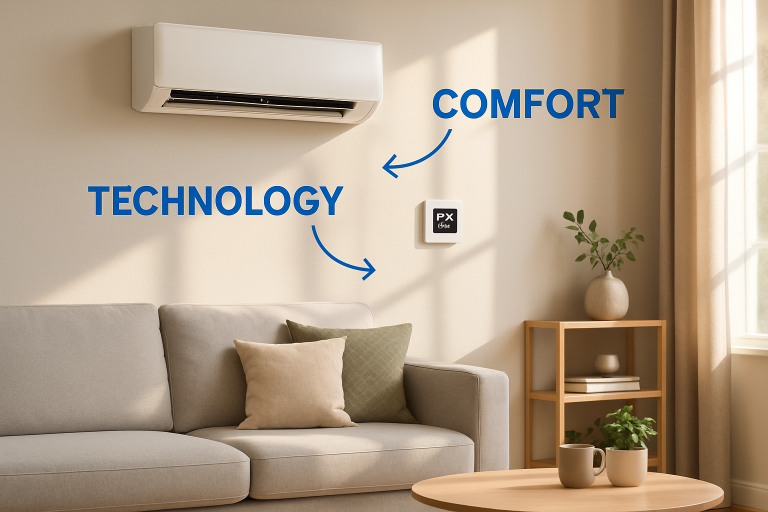
Modern air conditioning technology is ushering in an era of comfort and efficiency unlike anything before. Not only do today’s AC systems keep your home pleasantly cool, they also work smarter, adapt to your habits, and help reduce your household’s environmental impact. If your system isn’t keeping up or you notice inefficiencies, prompt air conditioning repair can restore comfort and prevent costly long-term damage. Prioritizing advanced technologies ensures immediate performance and long-term value. As air conditioning evolves, homeowners gain control over their indoor environment, reducing energy costs. Connected systems, eco-standards, and air purification allow households to tailor climate seasonally. Understanding available options, like sensors, smart home integration, and zoning, is key for efficiency, comfort, equipment longevity, and a greener home. Modern upgrades enhance system reliability and convenience, enabling remote monitoring, maintenance scheduling, and on-the-go adjustments. Staying informed helps make choices that maximize comfort and savings. Learn more about the advantages of modern AC upgrades.

Inverter Technology: A Game-Changer in Energy Efficiency

Inverter technology is transforming the way air conditioners operate by replacing the traditional on/off cycling pattern with precise variable-speed control. Instead of constantly shutting down and starting back up, an inverter-equipped air conditioning system adjusts its compressor’s output to meet the exact cooling demands at any given moment. This not only reduces energy usage by up to 40% compared to traditional models, but also eliminates sharp temperature fluctuations, resulting in a consistently comfortable indoor climate. The U.S. Department of Energy explains that technologies like inverters significantly bolster system efficiency and can make a real difference in utility costs for homeowners.

Smart Thermostats: Personalized Climate Control

Smart thermostats are elevating how we interact with our home cooling systems. By learning routine behaviors and environmental patterns, these devices adjust temperatures automatically to match your schedule, preferences, and comfort levels. You can control them remotely via smartphone apps or with your voice through a smart home assistant, providing flexibility whether you’re home or away. Additionally, these devices provide valuable feedback by tracking your energy use and recommending adjustments to reduce unnecessary energy expenditures further.

Eco-Friendly Refrigerants: Cooling Responsibly

Efforts to reduce environmental harm have led to significant advancements in refrigerant technology. Older refrigerants, such as R-22, are being phased out due to their ozone-depleting potential, in favor of options like R-410A and R-32, which are gentler on the environment without sacrificing cooling power. Manufacturers are also now testing natural refrigerants, such as R-744 (carbon dioxide) and R-290 (propane). These innovations not only align with global sustainability initiatives but also ensure that your home remains both comfortable and eco-conscious.

Zoned Cooling Systems: Customized Comfort

Zoned cooling systems allow homeowners to divide their residence into separate areas, each with its own dedicated climate control. This setup is particularly useful for larger homes or families where comfort needs can vary dramatically from room to room. Not only does zoning eliminate the problem of overcooling or undercooling certain spaces, it also drives significant energy savings by directing cooling only where it’s needed most.

Advanced Filtration: Enhancing Indoor Air Quality

Advanced filtration features have become a must-have in modern AC units. Technologies such as HEPA filters and integrated UV-C light systems go beyond basic dust and pollen removal to neutralize bacteria, viruses, and even VOCs (volatile organic compounds), which contribute to the development of sick building syndrome. Some systems integrate sensors to monitor and report real-time air quality, automatically responding to changes by increasing filtration as needed. The EPA outlines the benefits of improved indoor air filtration and guides on selecting the most suitable technology for your specific needs.

AI Integration: The Future of HVAC Management

The role of artificial intelligence in HVAC extends from predictive maintenance to tailoring individual comfort settings. AI algorithms process large datasets from sensors and user patterns, uncovering inefficiencies or identifying potential faults before they escalate into costly repairs. These smart systems adjust their operation to optimize energy use and comfort, thereby minimizing wear and supporting long-term system reliability.

Remote Monitoring: Proactive System Management

Remote monitoring capabilities have provided both homeowners and service providers with new tools to monitor AC system health. Live performance metrics, visible through intuitive dashboards, can trigger early maintenance alerts or adjustments, preventing unexpected downtime and expense. The convenience of managing your AC while away from home not only adds peace of mind but also extends the lifespan of the unit and reduces the likelihood of major failures.

Conclusion

The evolution of air conditioning stands as a testament to the power of modern engineering in delivering comfort, efficiency, and sustainability. Smart thermostats, inverter technology, eco-friendly refrigerants, and intelligent management combine to provide an enhanced indoor environment—one that meets both personal comfort expectations and modern environmental standards. By staying informed about and investing in these innovations, homeowners can ensure their living space is always ahead of the curve, delivering optimal performance with every season.

The Art of Year-Round Lawn Care: Tips and Tricks for Every Season

Key Takeaways

  • Proper lawn care varies significantly from season to season.
  • Understanding the needs of your lawn at different times of the year can promote healthier and more sustainable growth.
  • Using the right tools and techniques can transform any lawn into a lush, green oasis.

Mastering the art of lawn care requires attention to detail, commitment, and the right timing. Lawn enthusiasts understand well that a flourishing yard doesn’t happen overnight. Instead, it demands a year-long strategy encompassing various activities tailored to each season. From mowing patterns in midsummer to fertilization in the fall, understanding seasonal variations can transform your outdoor space. The right approach can make even the trickiest lawn care issues manageable and turn any lawn into a vibrant and inviting patch of greenery.

An effective lawn maintenance strategy builds on cumulative efforts throughout the year. By addressing season-specific needs, you encourage healthy growth, manage pests effectively, and mitigate the stressors that come with temperature changes. Understanding these dynamics allows you to adapt more proactively to what your lawn requires, ensuring that your lawn stays lush and healthy regardless of the season.

Introduction

The cyclical nature of the seasons provides a roadmap for achieving a verdant, green lawn all year round. Each season presents unique challenges and opportunities for both novice lawn caretakers and seasoned garden enthusiasts. From adjusting your fertilization routine to fine-tuning your lawn mowing practices, every detail plays a role in promoting healthy grass growth. A thorough understanding of what your grass needs during different times of the year—including how often and how low to mow—can be the difference between a patchy lawn and an inviting alfresco haven. By creating a targeted approach that adapts to seasonal requirements, you set the stage for a stunning lawn that reflects your dedication and care.

Spring Lawn Revival

As the chill of winter diminishes, spring begins to breathe life into dormant lawns. This season marks the start of rejuvenation, making it the perfect time to address any damage sustained during the colder months. The first step involves aerating—allowing oxygen, nutrients, and water to reach the roots, which aids in fostering strong development. Following aeration, focus on reseeding efforts to fill in thin patches, which is crucial for achieving dense, robust turf. By supplementing this with spring fertilization using a balanced, slow-release product, your lawn has the nutrients it needs to champion a successful growing season.

Maintaining Your Lawn in Summer

Come summer, your lawn faces its greatest adversary: heat. With temperatures soaring, the challenge is to preserve moisture while keeping the grass healthy. Adjusting your mowing height—raising it slightly—can help. Taller grass blades provide natural shade to the soil, mitigating evaporation and helping retain moisture. Comprehensive watering practices, such as watering deeply but less frequently, promote the development of robust root systems capable of accessing underground reserves. Additionally, summer is when pests are most active. Be proactive by regularly inspecting your lawn for signs of infestations and address any issues promptly to ensure minimal disruption.

Fall Preparations for a Healthy Lawn

As temperatures begin to fall, it’s crucial to prepare your lawn for the coming dormant winter months, giving particular attention to remediation steps that will support spring’s eventual resurgence. Start with dethatching, a process that removes excess organic material that can suffocate living grass. Applying a final round of fertilization, known as winterizing, provides nutrients vital for surviving harsh conditions and establishing a strong foundation for growth in the upcoming year. In addition, consider overseeding—introducing new seeds to help keep your lawn dense and contribute to its overall health by preventing weed growth.

Winter Lawn Care Strategies

Winter’s arrival calls for protective measures to safeguard your lawn until warmer days return. It’s important to minimize foot traffic to prevent compaction on frosty grass, which can lead to long-term damage. Moreover, using a winterizing fertilizer that’s specifically formulated to withstand low temperatures can greatly enhance your lawn’s resilience. Understanding how to balance protection and care ensures that your lawn remains robustly poised for spring’s return, having benefited from this essential rest period.

Essential Tools and Techniques

The success of lawn care heavily relies on using the right tools suited to the tasks demanded by each season. Investing in an aerator, robust lawnmower, and soil tester proves invaluable for anyone serious about maintaining a healthy yard. Quality equipment not only simplifies regular maintenance chores but also ensures that you execute them with maximum efficiency and efficacy. For those starting or seeking to refine their toolkit, a comprehensive list of essential lawn care tools can be a helpful reference, offering guidance on both the selection and application of these resources.

Conclusion

With the right strategy, anyone can create a thriving lawn that is the envy of the neighborhood. Remember, patience and consistency are key. While each season demands new tasks and poses unique challenges, adhering to year-round best practices can steer even the most novice homeowner toward remarkable results. By future-proofing your lawn today, you equip yourself with the tools to enjoy a green haven not just this year but across many to come.

Innovative Approaches to Everyday Concealment

Key Takeaways

  • Discover how modern clothing designs revolutionize concealed-carrying options.
  • Learn about practical apparel choices for security without compromising style.
  • Understand the role of advanced materials and design in enhancing wearability.
  • Explore external resources that offer insights into global trends in clothing innovation and personal safety gear.

The Intersection of Fashion and Functionality

In the ever-evolving fashion industry, there’s a growing trend where style meets meaningful functionality. Modern apparel isn’t solely about looking good; it’s about serving the practical needs of daily life. This necessity to blend aesthetics with utility has led to innovative solutions like the concealed weapons holster. This is a prime example of how modern clothing integrates functionality seamlessly, empowering individuals to carry essential belongings discreetly. Such garments appeal to those who value discretion, allowing them to blend into various environments without drawing undue attention. The goal is to offer an elegant solution to everyday challenges, highlighting how daily wear can transition from ordinary to extraordinary by adding a layer of practical usability.

Advancements in Concealed Carry Apparel

The field of concealed carry apparel has made remarkable strides, evolving from simple utility clothing to sophisticated designs tailored to contemporary needs. These garments feature hidden pockets and compartments designed to aid security and accessibility. The technological and design advancements in this area have introduced a level of convenience that enhances daily life, especially for individuals living in densely populated urban centers. The ability to keep personal items close and accessible yet out of sight resonates strongly with those who prioritize a balance between security and freedom. With the rise in such innovative clothing solutions, users can navigate public spaces with greater confidence and peace of mind.

Utilizing Cutting-Edge Materials

The transformation of concealment apparel hinges critically on advancements in textile technology. Modern materials used in these garments are incredibly lightweight yet exhibit durability that stands the test of time and usage. Whether for casual outings or active engagements, these fabrics provide flexibility and ease, ensuring the wearer experiences comfort without compromising the strength needed for security. Bright fabrics—sometimes embedded with microchips or designed with specialized threads—resist wear and tear while offering thermal regulation or water resistance benefits. This leap in material science has enabled designers to create garments that are as tough as they are comfortable, fostering consumer trust in these essential pieces of clothing.

Designing for Diversity

As the demand for multifunctional apparel grows, designers emphasize inclusivity and diversity in design. This approach ensures that concealment clothing is accessible to many individuals, considering differences in body shapes, living climates, and personal styles. Customization is key, providing options that align with individual taste and practicality. For instance, a jacket with invisible compartments can still be stylishly cut to fit various body types, addressing a broader audience’s functional and aesthetic needs. Such design versatility enhances user comfort and expands the potential market for these innovative garments.

Trends in Personal Safety Gear

The realm of personal safety gear is increasingly intertwining with the fashion world. Outfits now routinely feature bright and subtle safety enhancements—from panic alarms discreetly woven into the linings to trousers that incorporate hidden pockets for securing valuables. These innovations are designed to be non-intrusive while addressing modern safety concerns, providing reassurance without the overt appearance of carrying defense mechanisms. As these trends gain traction, designers continually push the boundaries of how style and safety can coexist.

Importance of Practical Apparel Choices

Practicality remains at the forefront of the selection of concealment clothing. Shoppers are urged to consider garments that meld function with everyday wear, enhancing security and comfort. Practical apparel is not just about hidden pockets; it’s about creating a unified garment experience that adjusts to the pace and demands of modern life. These choices allow individuals to maintain their routines and responsibilities with minimal disruption, ensuring that ease of movement and safety are preserved equally. This practical focus reflects a broader trend in apparel, where utility becomes a core design element, meeting the growing demand for hybrid fashion solutions.

Innovative Solutions for Modern Consumers

The relentless march of technological innovation fuels the creation of even more sophisticated clothing solutions. As the industry shifts towards the future, the convergence of fashion and technology promises a suite of smart textiles and responsive designs that will redefine personal apparel. Imagining future integrations, we see clothing that adapts to the wearer’s physical needs and interacts seamlessly with digital environments. Such innovations are poised to enhance consumer experiences significantly, offering innovative, stylish, and sustainable products.

The Art of Barbecuing: Creating Memorable Gatherings with Flavorful Delights

Table of Contents

  • Introduction to the Essence of Barbecuing
  • Choosing the Right Barbecue Equipment
  • Essential Techniques for Perfect Grilling
  • Exploring Marinades and Rubs
  • Vegetarian and Vegan Grilling Ideas
  • Safety Tips for a Successful Barbecue Day
  • Creating the Perfect Ambient for Gatherings
  • Conclusion: Bringing It All Together

Introduction to the Essence of Barbecuing

Barbecuing is a culturally diverse culinary tradition combining cooking over an open flame and sharing meals. It has evolved from a primary method to a sophisticated and cherished way to celebrate and gather. Specialized services, like licensed BBQ technicians Toronto ON, ensure a safe and enjoyable grilling experience. The magic of barbecue lies in creating lasting memories, as each gathering around the grill offers an opportunity to savor food and camaraderie with friends and family. Barbecuing is about shared experiences, experimenting with flavors, and the primal satisfaction of cooking food over an open flame. Whether in a city or rural setting, barbecuing is about the joy of shared experiences and experimenting with flavors.

Choosing the Right Barbecue Equipment

The choice of barbecue equipment is crucial for any enthusiast. Classic charcoal grills offer a deep, smoky flavor, while gas grills offer convenience and control. Charcoal grills are preferred by purists for authentic barbecue taste, while gas grills are preferred for ease of use and speedy heating. The choice often depends on personal preference and lifestyle. Factors like space availability, frequency of usage and grilling needs also play a role. This guide provides valuable insights for novice and seasoned grillers; ensuring the right grill is essential for achieving barbecue goals.

Essential Techniques for Perfect Grilling

Mastering the perfect grill requires skill, patience, and essential techniques. Understanding your grill and managing heat efficiently is crucial for achieving the desired grill marks. Preheating the grill ensures optimal temperature while using a thermometer prevents overcooked or undercooked meat. Direct heat is best for smaller items like burgers and chops, while indirect heat works well for more significant cuts like whole chickens or racks of ribs. Mastering these techniques can elevate your barbecue game and transform casual meals into memorable dining experiences. Mastering these techniques can transform your barbecue game into an unforgettable experience.

Exploring Marinades and Rubs

Marinades and rubs are crucial in barbecuing, transforming dishes from ordinary to extraordinary. Marinades, which combine acidic ingredients like vinegar or citrus with herbs, spices, and oils, tenderize meats and infuse them with flavor over time. Rubs and dry or liquid spice mixtures create a flavorful crust when cooked, locking in juices and adding a burst of taste with every bite. Their versatility allows for personal preferences and experimentation with exotic spices, inspiring grill enthusiasts to craft unique blends. Marinades and rubs for every meat or vegetable make each grilling session a fresh adventure.

Vegetarian and Vegan Grilling Ideas

Today’s barbecues offer various vegetarian and vegan options, defying traditional expectations. From grilling seasonal vegetables to marinated tofu, inventive plant-based burgers offer the same flavor and satisfaction as meaty options. Portobello mushrooms provide a rich alternative, while veggie skewers with peppers, zucchini, and onions are visually appealing. For those seeking plant-based options, the grill offers endless possibilities. Mushroom caps can be marinated in balsamic and herbs, while corn on the cob can be charred with vegan butter and spices.

Safety Tips for a Successful Barbecue Day

A good barbecue requires taking suitable safety measures. Start by inspecting your grill for leaks or damage, especially for gas grills. To avoid foodborne infections, separate raw and cooked foods and follow proper food handling procedures to prevent cross-contamination. Keep a fire extinguisher or sand bucket nearby for emergencies. Keep kids and pets away from the cooking area and never leave a hot grill alone. Hosts can create a worry-free atmosphere for their guests by following these safety measures.

Creating the Perfect Ambient for Gatherings

The atmosphere of a barbecue can transform from a simple meal into an unforgettable experience. Whether it’s a casual family gathering or a festive neighborhood cookout, the right setting can enhance the experience. Arrangements of comfortable seating, decorative elements like string lights, and music can set the mood. For daytime barbecues, colorful table settings and outdoor games can be used for entertainment. It creates a relaxed and festive environment, making the barbecue a season highlight.

Conclusion: Bringing It All Together

Barbecuing is a timeless tradition that combines delicious food with great company. It involves understanding essential techniques, choosing appropriate equipment and incorporating vibrant flavors through marinades and rubs. Vegetarian and vegan alternatives are among the varied menu selections that satisfy the preferences of all patrons. Safety is paramount for a seamless experience. Barbecuing offers creative opportunities to transform gatherings into food, fun, and friendship celebrations. Preparing food is not just about preparing food; it’s about crafting an unforgettable experience that will linger in guests’ minds. 

Safeguarding Your Home: Practical Tips and Essential Considerations

Table of Contents:

  • Introduction to Home Safety
  • Identifying Common Hazards
  • Effective Home Security Systems
  • Fire Safety Measures Every Home Needs
  • Natural Disaster Preparedness
  • Ensuring Electrical Safety
  • The Role of Insurance in Home Protection
  • Smart Technology for a Safer Home

Introduction to Home Safety

In today’s rapidly moving society, it is more important than ever to guarantee the safety and security of your home. With many potential hazards lurking both inside and out, taking proactive steps can protect your family and your investment. However, home safety isn’t just about installing a robust security system or having home insurance Ft Myers FL; it involves a comprehensive approach to recognizing risks and preparing for them. While no strategy can guarantee complete protection from unforeseen events, a thoughtful plan can significantly mitigate potential risks. From natural disasters to everyday accidents, understanding and addressing these threats ensures your sanctuary remains a reliable haven. With awareness, preparation, and the proper protective measures, homeowners can create a secure environment that brings peace of mind and long-term stability. Explore some essential considerations to enhance your home’s safety and security.

Identifying Common Hazards

Our homes often harbor numerous unseen dangers. From the creeping threat of mold to the insidious damage caused by leaky roofs or pipes, these issues can escalate swiftly if left unaddressed. Early identification of these hazards is crucial in safeguarding your home’s integrity and your family’s health. Regular home check-ups and professional inspections can go a long way in preventing emergencies. Simple actions such as routinely checking for signs of dampness, water damage, or structural cracks can save future heartache and costly repairs.

Moreover, being proactive about maintaining your home means you’re always ahead of potential threats. It involves staying informed about common household risks in your geographic area—such as termites in certain climates or earthquakes in others—and taking necessary preventive actions. From sealing small leaks to reinforcing weak points, investing time in understanding your home’s weaknesses makes you better equipped to fortify it against future threats. We preserve their value and enhance our safety and security when we make small but consistent efforts to maintain our homes.

Effective Home Security Systems

Today’s market offers an array of advanced security systems designed to deter would-be intruders. Options include everything from surveillance cameras to smart locks, each offering unique advantages suited to different needs. Yet, the technology’s efficiency relies heavily on its upkeep. Regular maintenance and timely updates ensure functionality when it counts the most. Moreover, integrating features like motion detectors and alarm systems adds another layer of security, ensuring your home is vigilantly protected day and night.

Beyond the technological aspects, fostering community awareness contributes significantly to overall safety. Engaging with neighborhood security networks or online community boards can provide additional information about local security trends. By staying informed and keeping communication lines open with neighbors, homeowners can collectively enhance security measures and respond more quickly to potential threats. Remember, maintaining a safe home is not solely about technology but community and vigilance.

Fire Safety Measures Every Home Needs

Fires remain among the most unpredictable and often devastating threats to any household. Yet, many homes still neglect basic fire safety protocols that could save lives. At a minimum, installing smoke detectors in every room is essential. These devices provide critical early warnings that can prove lifesaving when coupled with regular battery checks. Additionally, keeping fire extinguishers on each floor—and ensuring everyone knows how to use them—can make a significant difference in an emergency scenario.

Creating a clear and practiced evacuation plan is equally crucial. This plan should outline the safest routes to exit your home and designate a meeting point outside. Regular fire drills reinforce these plans and make sure that all household members, including children, know what to do should a fire occur. For more comprehensive advice, the fire safety guide provides detailed steps on preparing your home and family for fire-related emergencies.

Natural Disaster Preparedness

Natural disasters, from hurricanes to earthquakes, can strike with little warning and cause significant damage. The first step in getting your home ready for these occurrences is knowing the particular dangers linked to your location. For instance, homes in coastal regions might need sturdy hurricane shutters, while those in seismically active zones should focus on earthquake-proofing structures. Equally important is having an emergency kit ready and accessible. This kit should have essentials such as fresh water, non-perishable food, a first aid kit, flashlights, batteries, and necessary medications. Ensuring every family member knows the kit’s location and how to use its contents can be highly beneficial in an emergency. Moreover, staying informed about local disaster plans and participating in community preparedness programs can offer valuable insights and foster a sense of readiness.

Ensuring Electrical Safety

Electricity powers our homes, providing comfort and connectivity, but it poses significant hazards when improperly managed. Regular inspections of your home’s wiring and outlets can reveal issues before they lead to severe problems. Warning signs like flickering lights, hot outlets, or frequently blown fuses may indicate more significant electrical matters. Addressing these signals promptly by consulting a licensed electrician ensures minor problems don’t escalate into life-threatening and costly incidents.

Furthermore, understanding the basics of electrical safety, including the safe use of appliances and extension cords, can prevent common accidents. Teaching all household members about proper electrical safety protocols—such as not overloading sockets or using damaged cords—contributes to a safer living environment. Being proactive in maintaining electrical safety protects your home and safeguards your loved ones.

The Role of Insurance in Home Protection

Insurance provides financial protection in case unexpected events happen. While no one likes to imagine calamities, being prepared with the right insurance provides peace of mind. Homeowners insurance covers the cost of repairs and protects against personal liability in various situations. Choosing the right type of coverage helps ensure that your home and belongings are adequately protected. It’s crucial to assess your property’s value and potential risks to select a policy that provides sufficient coverage. Understanding what each policy includes—and perhaps just as importantly, what it excludes—can help you make informed decisions. Prioritizing annual insurance conversations can ensure continued comprehensive protection as circumstances and property values change.

Smart Technology for a Safer Home

Smart technology has revolutionized home security, offering unprecedented control and monitoring capabilities. Popular innovations such as remotely accessible video doorbells, smart locks, and automated lighting systems provide new ways to protect and monitor your home even when you’re not present. While this technology offers exciting possibilities, it’s essential to remain aware of potential vulnerabilities from cyber threats. Regularly updating software and devices is crucial in keeping your smart systems secure. Furthermore, understanding and setting up secure network configurations can prevent unauthorized access to your data. 

The Power of Local Link Building for Online Success

Key Takeaways:

  • Discover how local link building enhances online visibility.
  • Learn practical strategies for acquiring local backlinks.
  • Explore the role of community engagement in link building.
  • Examine real-world examples of successful local link-building campaigns.
  • Understand the benefits of partnering with local influencers.

The Basics of Local Link Building

In the complex search engine optimization (SEO) landscape, local link building is essential to improve a business’s visibility in geographically specific searches. This targeted approach is distinct from traditional link-building strategies that aim for a global audience. Businesses that concentrate on obtaining backlinks from local websites and community-related sources can improve their visibility in local search results. Partnering with a local link building agency is a practical approach to leveraging additional expertise, as these agencies know the nuances that can significantly impact local SEO success. By crafting a strategy highlighting local connections and community engagement, businesses improve online rankings and establish themselves as integral components of the local community.

Why Local Links Matter

The significance of local links lies in their ability to communicate with search engines regarding the geographical relevance of your business. Search engines, including giants like Google, use these links to indicate your local authority and relevance. Local links are paramount in providing search engines the context to understand where and how your business operates locally. By obtaining these backlinks, you tell search engines that your business is a credible source within your immediate region—improved visibility results from this recognition when prospective clients in your area look for your goods or services. Local links reinforce your digital presence and foster community recognition, driving online and offline customer engagement.

Effective Strategies for Local Link Acquisition

Securing local backlinks might appear daunting, but several effective strategies can streamline the process:

  • Engage with Local Blogs and Websites: Identify well-regarded local blogs and community sites that can provide valuable backlinks. Approach these sites with offers to contribute guest posts or local insights that align with their readers’ interests. Doing so creates mutually beneficial relationships that bolster their content and your backlink profile.
  • Participate in Community Events: Find opportunities to involve your business in local events and community activities. Whether sponsoring a concert, participating in a local fair, or hosting a workshop, these activities can result in valuable mentions and backlinks from event organizers and regional news outlets.
  • Utilize Business Directories: Ensure your business is listed in credible local directories. Listings will offer immediate backlinks and improve your visibility when users search locally.

The Role of Content in Local Link Building

Compelling content specific to local audiences is a cornerstone of successful link-building. You attract organic interest and backlinks by sharing stories or addressing issues pertinent to the local community. Articles about local events, news, or collaborative projects can resonate with community members who might share or link to your content, thus enhancing your backlink profile. For example, writing a blog post about a neighborhood initiative with insights from local leaders can appeal to a broad regional audience, driving shares and engagement.

Partnering with Local Influencers

Collaborating with local influencers is a powerful way to extend your brand’s reach and credibility. These influencers have already established trust and rapport within the community, and their endorsement can drive significant traffic and engagement. Influencer partnerships can result in far-reaching visibility and authentic connections with potential customers. By strategically identifying influencers whose values align with your brand, you can use their platforms to share your message while garnering valuable backlinks.

Overcoming Challenges in Local Link Building

While the benefits of local link building are substantial, businesses often encounter challenges like identifying suitable local partners or maintaining consistent outreach efforts. Building these relationships requires dedication and an understanding of the regional digital landscape. Nevertheless, overcoming these hurdles can yield long-lasting benefits, including enhanced brand recognition and deeper community ties, ultimately making the investment of time and resources worthwhile.

Final Thoughts

Nurturing local link-building strategies is integral to a comprehensive local SEO campaign. By embedding your business within the local community through meaningful content and strategic partnerships, you enhance your online visibility and solidify your brand as a trusted local entity. Local link-building fosters genuine engagements and robust community ties, ensuring business success online and within your immediate vicinity.

Transforming Business Visibility with Custom Signage

Key Takeaways:

  • Custom signage is crucial for business branding and visibility.
  • Different types of signage serve various purposes and environments.
  • Effective signage combines aesthetics and functionality.
  • Proper installation and maintenance enhance longevity and effectiveness.

The Role of Custom Signage in Business

Custom signage plays a pivotal role in branding and visibility for businesses. It acts as a silent salesperson, capturing attention and conveying messages effectively. Quality signage, such as channel letters Philadelphia PA, can make a significant difference whether it’s a storefront, office, or trade show display. Investing in well-designed signs can lead to better customer recognition and increased foot traffic. Signage offers a visual cue that can swiftly communicate a business’s essence to passersby, forming an instant connection. By creating a solid first impression, businesses set the stage for potential interactions and customer loyalty.

Types of Signage and Their Applications

There are several types of signage, each with unique advantages and specific applications. Channel letters, for example, are ideal for storefronts due to their high visibility and illumination options, making them noticeable day and night. These signs consist of individually crafted letters that can be lit from within, creating a striking effect. Meanwhile, interior signs are perfect for navigating extensive facilities and enhancing indoor branding. They help guide customers and visitors smoothly through malls, hospitals, and corporate offices. By understanding the specific needs of your business environment, you can select the most effective type of signage to communicate your message and achieve your marketing goals.

Designing Effective Signage

Effective signage design is both an art and a science, requiring a blend of creativity and strategic planning. It involves choosing suitable materials, colors, and fonts to ensure readability and aesthetic appeal. Clear, concise messaging is crucial to avoid overwhelming viewers with too much information. Data suggests that 60% of businesses reported increased sales after upgrading their signage, highlighting the impact of thoughtful design. Incorporating branding elements such as logos and brand colors consistently helps create a solid visual identity. By employing high-contrast color schemes, businesses can enhance the visibility of their signs, ensuring they stand out in any setting.

Critical Elements of Signage Design:

  • Readability: Ensure text is legible from a distance, considering font size and typeface. This is especially important for businesses in high-traffic areas where potential customers may only glance at the signage briefly.
  • Contrast: High contrast between text and background enhances visibility, making it easier for viewers to scan the sign.
  • Material Selection: Durable materials withstand weather conditions and wear, ensuring the longevity of the signage. This is crucial for outdoor signs of rain, sun, and wind exposure.
  • Lighting: Proper illumination can make signs visible 24/7, maximizing their effectiveness. Options include LED lighting for its energy efficiency and brightness, which can be tailored to different times of day or specific events.

Installation and Maintenance

Proper installation is crucial for the effectiveness and longevity of signage. Professional installation ensures compliance with local regulations and optimal visibility. Incorrectly installed signs can lead to safety hazards and potential fines. Regular maintenance, including cleaning and repairs, keeps signs looking new and functioning correctly. This maintenance can involve routine inspections to check for any damage or wear that might compromise the sign’s effectiveness. With proper care, signs can deteriorate quickly, leading to a better impression of your business and possibly deterring potential customers. Furthermore, well-maintained signs project professionalism and attention to detail, reinforcing the business’s commitment to quality.

Integrating Digital Elements

The trend of integrating digital elements into signage is proliferating. Digital displays offer flexibility and dynamic content, allowing businesses to update their messages quickly and efficiently. These signs can display various content types, including videos, animations, and real-time updates, making them a versatile tool for customer engagement. Additionally, digital signage can be programmed to show targeted messages based on time of day or specific events, enhancing the relevance and impact of the communication.

Sustainability in Signage

Sustainable signage solutions are becoming increasingly important in today’s environmentally conscious market. Using eco-friendly materials and energy-efficient lighting options reduces the carbon footprint and appeals to environmentally conscious consumers. Many businesses now opt for LED lights in their signs due to their lower energy consumption and longer lifespan than traditional lighting. Moreover, using recyclable materials for sign construction can further minimize environmental impact. By prioritizing sustainability, businesses can convey a message of responsibility and forward-thinking to their audience, potentially attracting a loyal customer base that values environmental stewardship.

Choosing the Right Signage Partner

Selecting a reliable signage partner ensures quality and consistency. Look for a provider with a proven track record, comprehensive service offerings, and excellent customer feedback to make the most of your investment. Partnering with experts can streamline the process from design to installation, ensuring every detail is executed flawlessly. A good signage partner will also provide ongoing support and maintenance services, helping to keep your signs in optimal condition. Additionally, it’s beneficial to choose a company that stays abreast of industry trends and technological advancements, ensuring they can offer innovative solutions tailored to your business’s evolving needs.

Page 1 of 19

Powered by WordPress & Theme by Anders Norén