
Key Takeaways
- Legal rulings in family law have a significant impact on family structures and individual relationships.
- Biases in the legal system can affect the fairness of outcomes in family court cases.
- Technological advancements, including AI, are transforming family law practices and decision-making processes.
Legal decisions in family law have profound and lasting impacts on both the structure and the emotional well-being of families. Whether they pertain to custody, property division, or co-parenting agreements, these rulings often reshape familial relationships and set crucial precedents for subsequent interactions. If you are navigating such complex changes, a family law attorney Tampa can help guide you through these pivotal transitions, ensuring your rights and interests are protected every step of the way.
The scope of family law extends well beyond the boundaries of divorce; it encompasses issues like adoption, child support, domestic violence protection, and guardianship. Each legal decision is nuanced, responding not only to statutes and local regulations but also to evolving societal expectations and individual family dynamics.
Family courts do not operate in isolation—they are deeply reflective of cultural shifts and new understandings of what constitutes a “family.” Progressive legal decisions acknowledge the diverse range of family structures. Through their rulings, they offer legal recognition to blended families, same-sex couples, unmarried partners, and other non-traditional alliances, promoting security and clarity for all involved.
The ripple effects of these legal outcomes are longstanding: they establish guidelines for how family members interact, share responsibility, and move forward collectively or separately. This ongoing evolution is critical for building a society where all forms of family can thrive in fairness and mutual respect.
The scope of family law is continually expanding, mirroring changes in culture and values. As legal systems adapt, they affirm the importance of inclusivity and ensure that all family relationships are treated with dignity.
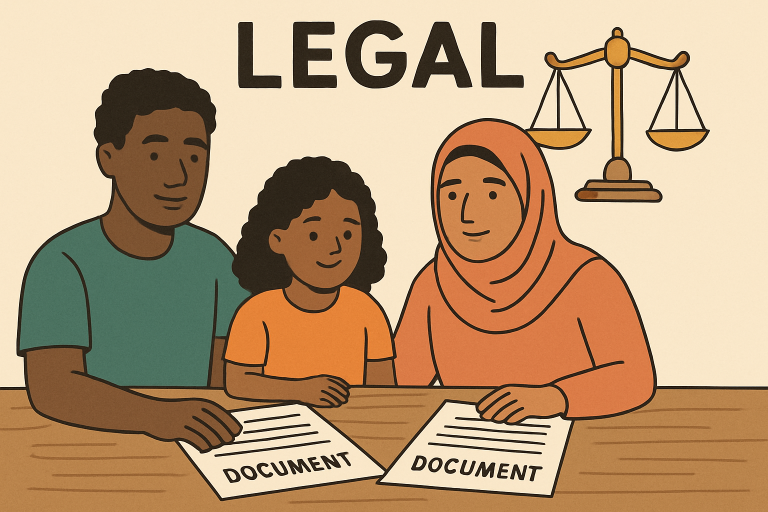
Defining Family Structures Through Legal Rulings
Family law plays a crucial role in formalizing what defines a family. Courts have begun to recognize partnerships and parenting arrangements that move beyond traditional marital ties. This expansion is not only necessary for legal accuracy but also for social equity, as it ensures that previously marginalized family units now benefit from legal protections previously reserved for conventional marriages. These advancements reflect the evolving societal consensus on relationships, enabling courts to reflect the diversity present in modern communities better.
Promoting Equality in Relationships
One of the primary aims of family law is to establish parity in the rights and obligations of family members, particularly during significant life transitions such as divorce or separation. Legal decisions strive to create fair arrangements, ensuring that assets, parental responsibilities, and financial duties are distributed equitably. These judgments aim to prevent any party from being disproportionately disadvantaged, and the emphasis on equal treatment extends to all relationships, irrespective of gender or socioeconomic status. For more insights into what courts consider when making equitable decisions, you can reference resources from the New York Times on evolving family court practices.
Protecting Children’s Rights
The welfare of children is a cornerstone of family law. Custody and visitation decisions are consistently made with the best interests of the child in mind. Judges evaluate a variety of elements, including the stability of each household, parental capacity, and the existing emotional bonds between child and caregiver. Contemporary jurisprudence generally supports shared custody models whenever possible, ensuring that children maintain healthy relationships with both parents and have access to a nurturing and stable environment.
Addressing Biases in Family Court Decisions
Despite its guiding principles of fairness, the family court system is not immune to societal biases. Studies have shown that both gender and racial stereotypes can affect outcomes, sometimes disadvantaging minority or non-traditional parents. For instance, as reported by Phys.org, racialized fathers, in particular, may face persistent negative biases when seeking custody or equitable treatment. Awareness and correction of these biases are essential for achieving genuine impartiality in family law.
The Role of Technology in Family Law
The integration of technology, particularly artificial intelligence, is transforming the landscape of family law. AI-powered tools now assist attorneys and judges by analyzing large volumes of case data, identifying trends, and even predicting potential outcomes based on precedent. Additionally, technology facilitates smoother communication between co-parents through digital platforms, reducing conflict and making co-parenting arrangements more manageable. For a deeper look into how AI is being deployed in family courts, see reporting from the Los Angeles Times.
Historical Cases Influencing Modern Family Law
Landmark cases have set enduring precedents within family law, shaping the way modern courts address disputes. The case of Lucy Dugas Tillman in the early 20th century, for example, highlighted the need for courts to consider the rights of mothers and the holistic welfare of children more effectively. These historical decisions serve as reminders that family law must continually adapt, learning from the past to protect the interests of all family members in the present and future.
Conclusion
Legal decisions continue to be a fundamental force in shaping the experiences and opportunities available to families. By defining family structures, promoting equality, protecting children, and correcting systemic biases, family law builds the foundation for healthier, more equitable relationships. As technology continues to advance and society evolves, the role of the legal system in safeguarding families and enabling them to flourish will become even more significant.