
Key Takeaways
- Modern air conditioning systems offer higher energy efficiency and improved air quality compared to traditional models.
- Smart features and AI integration enable personalized climate control and early detection of potential problems.
- Eco-friendly refrigerants and advanced filtration systems contribute to environmental sustainability and healthier living spaces.
- Zoned and remote monitoring systems promote customized comfort and proactive maintenance.
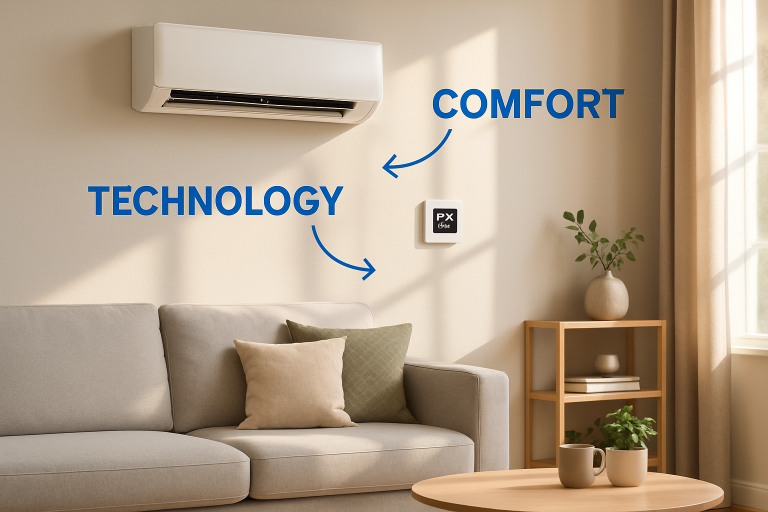
Modern air conditioning technology is ushering in an era of comfort and efficiency unlike anything before. Not only do today’s AC systems keep your home pleasantly cool, they also work smarter, adapt to your habits, and help reduce your household’s environmental impact. If your system isn’t keeping up or you notice inefficiencies, prompt air conditioning repair can restore comfort and prevent costly long-term damage. Prioritizing advanced technologies ensures immediate performance and long-term value. As air conditioning evolves, homeowners gain control over their indoor environment, reducing energy costs. Connected systems, eco-standards, and air purification allow households to tailor climate seasonally. Understanding available options, like sensors, smart home integration, and zoning, is key for efficiency, comfort, equipment longevity, and a greener home. Modern upgrades enhance system reliability and convenience, enabling remote monitoring, maintenance scheduling, and on-the-go adjustments. Staying informed helps make choices that maximize comfort and savings. Learn more about the advantages of modern AC upgrades.
Inverter Technology: A Game-Changer in Energy Efficiency
Inverter technology is transforming the way air conditioners operate by replacing the traditional on/off cycling pattern with precise variable-speed control. Instead of constantly shutting down and starting back up, an inverter-equipped air conditioning system adjusts its compressor’s output to meet the exact cooling demands at any given moment. This not only reduces energy usage by up to 40% compared to traditional models, but also eliminates sharp temperature fluctuations, resulting in a consistently comfortable indoor climate. The U.S. Department of Energy explains that technologies like inverters significantly bolster system efficiency and can make a real difference in utility costs for homeowners.
Smart Thermostats: Personalized Climate Control
Smart thermostats are elevating how we interact with our home cooling systems. By learning routine behaviors and environmental patterns, these devices adjust temperatures automatically to match your schedule, preferences, and comfort levels. You can control them remotely via smartphone apps or with your voice through a smart home assistant, providing flexibility whether you’re home or away. Additionally, these devices provide valuable feedback by tracking your energy use and recommending adjustments to reduce unnecessary energy expenditures further.
Eco-Friendly Refrigerants: Cooling Responsibly
Efforts to reduce environmental harm have led to significant advancements in refrigerant technology. Older refrigerants, such as R-22, are being phased out due to their ozone-depleting potential, in favor of options like R-410A and R-32, which are gentler on the environment without sacrificing cooling power. Manufacturers are also now testing natural refrigerants, such as R-744 (carbon dioxide) and R-290 (propane). These innovations not only align with global sustainability initiatives but also ensure that your home remains both comfortable and eco-conscious.
Zoned Cooling Systems: Customized Comfort
Zoned cooling systems allow homeowners to divide their residence into separate areas, each with its own dedicated climate control. This setup is particularly useful for larger homes or families where comfort needs can vary dramatically from room to room. Not only does zoning eliminate the problem of overcooling or undercooling certain spaces, it also drives significant energy savings by directing cooling only where it’s needed most.
Advanced Filtration: Enhancing Indoor Air Quality
Advanced filtration features have become a must-have in modern AC units. Technologies such as HEPA filters and integrated UV-C light systems go beyond basic dust and pollen removal to neutralize bacteria, viruses, and even VOCs (volatile organic compounds), which contribute to the development of sick building syndrome. Some systems integrate sensors to monitor and report real-time air quality, automatically responding to changes by increasing filtration as needed. The EPA outlines the benefits of improved indoor air filtration and guides on selecting the most suitable technology for your specific needs.
AI Integration: The Future of HVAC Management
The role of artificial intelligence in HVAC extends from predictive maintenance to tailoring individual comfort settings. AI algorithms process large datasets from sensors and user patterns, uncovering inefficiencies or identifying potential faults before they escalate into costly repairs. These smart systems adjust their operation to optimize energy use and comfort, thereby minimizing wear and supporting long-term system reliability.
Remote Monitoring: Proactive System Management
Remote monitoring capabilities have provided both homeowners and service providers with new tools to monitor AC system health. Live performance metrics, visible through intuitive dashboards, can trigger early maintenance alerts or adjustments, preventing unexpected downtime and expense. The convenience of managing your AC while away from home not only adds peace of mind but also extends the lifespan of the unit and reduces the likelihood of major failures.
Conclusion
The evolution of air conditioning stands as a testament to the power of modern engineering in delivering comfort, efficiency, and sustainability. Smart thermostats, inverter technology, eco-friendly refrigerants, and intelligent management combine to provide an enhanced indoor environment—one that meets both personal comfort expectations and modern environmental standards. By staying informed about and investing in these innovations, homeowners can ensure their living space is always ahead of the curve, delivering optimal performance with every season.